Building Better Initiative - Construction Technical Assistance for Rural Housing
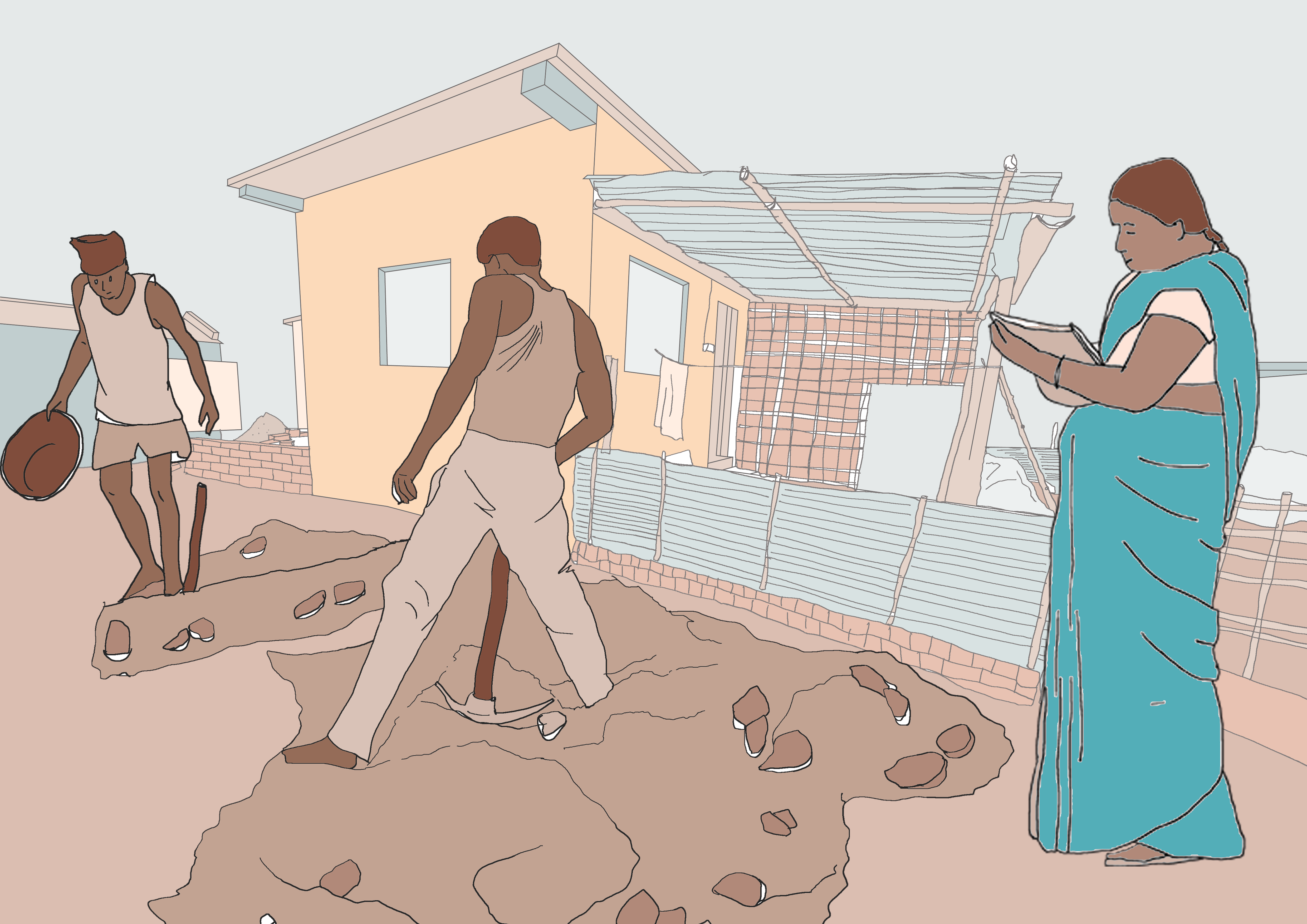
Mahindra Rural Housing Finance Ltd. approached us to develop a technical assistance program that would complement their rural home loan program, to enable resilient and climate-responsive homes and provide design and construction support to homeowners. The collective goal was to improve housing quality in rural communities, making homes more durable and sustainable in the face of environmental and socio-economic challenges.
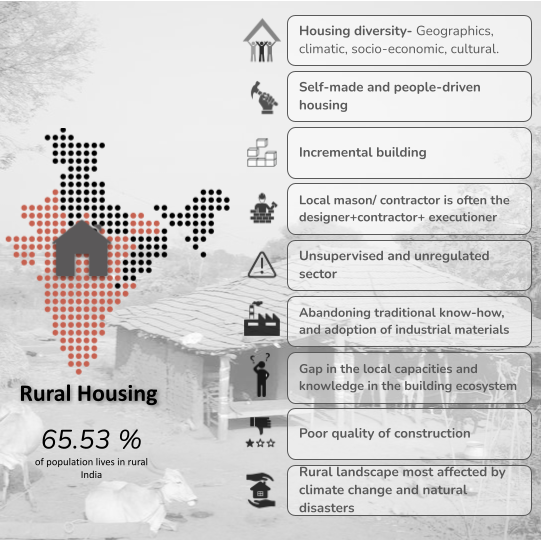
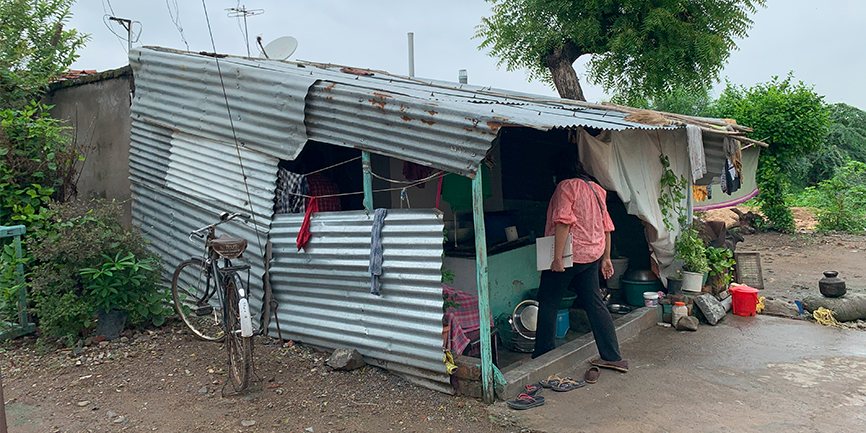
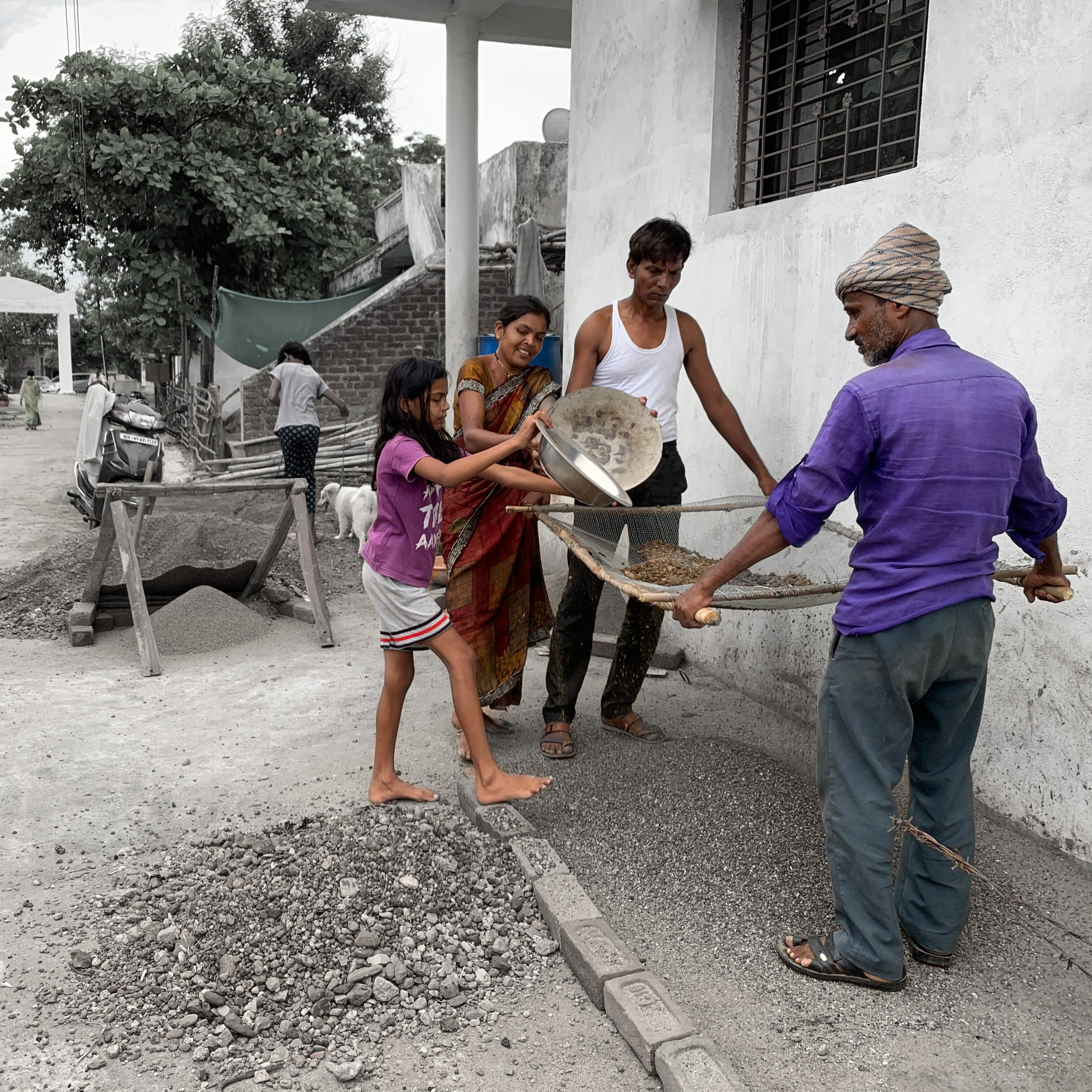
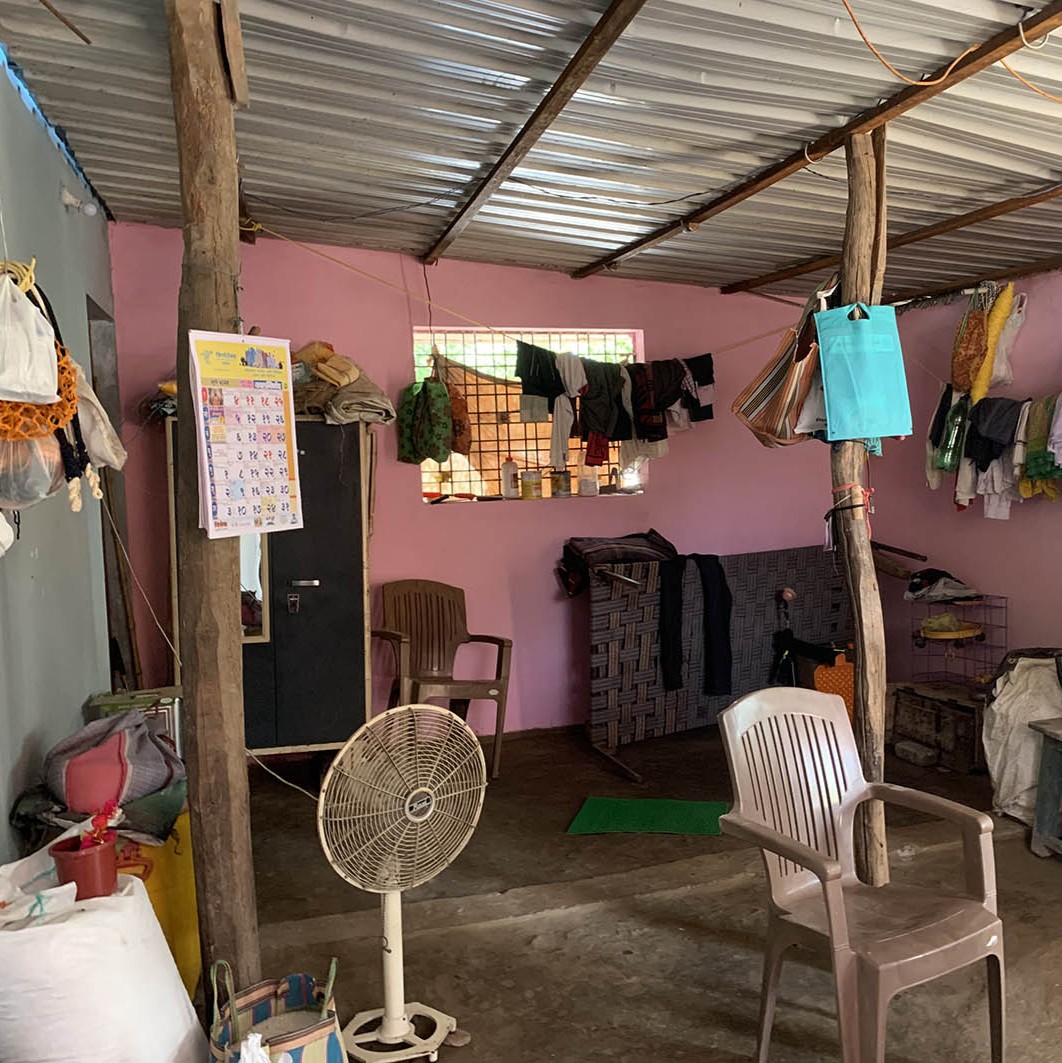
We conducted a scoping study to understand both the condition of rural homes and the broader socio-economic context of MRHFL’s customers. The pilot was implemented in the Vidarbha region of Maharashtra, characterized by flat terrain, black soil, dry climate, and monsoons. The region’s population relies heavily on agriculture, making them vulnerable to environmental and economic pressures. This research, published [link to rural housing research], identified several key challenges such as; an accelerated shift from traditional vernacular building techniques to engineered materials, a shortage of skilled masons and contractors, increasing climate-related events, and lack of homeowner’s knowledge for proper construction supervision. As a result, many homes were of poor quality, often requiring costly repairs soon after construction. A key insight from the study was that “rural housing” varies significantly across regions, so a one-size-fits-all approach would not be effective.
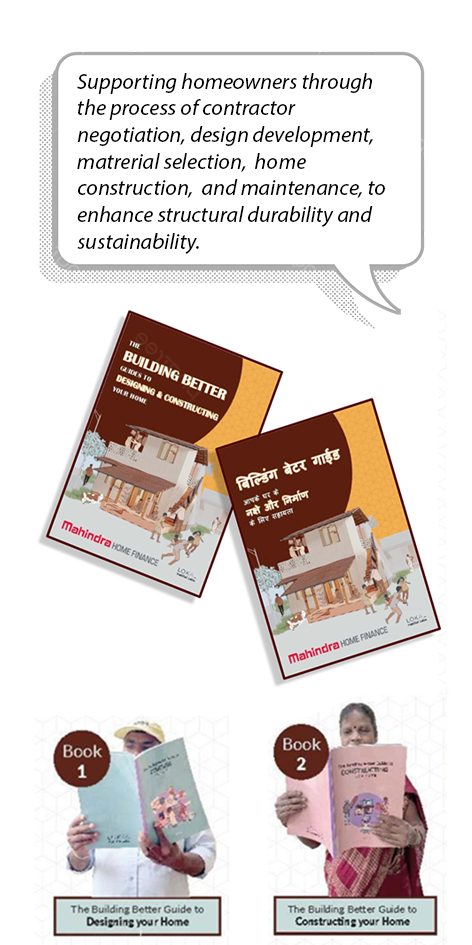
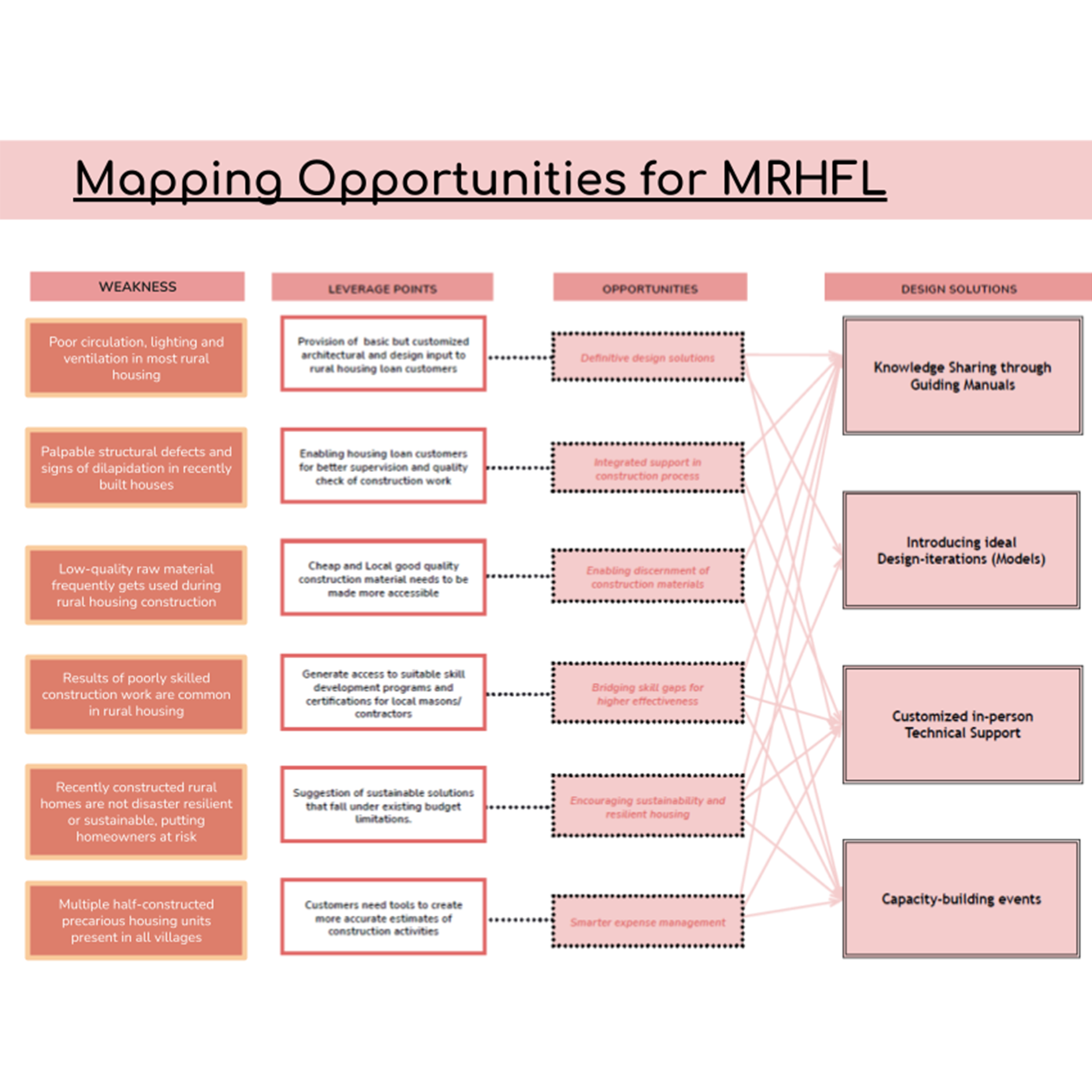
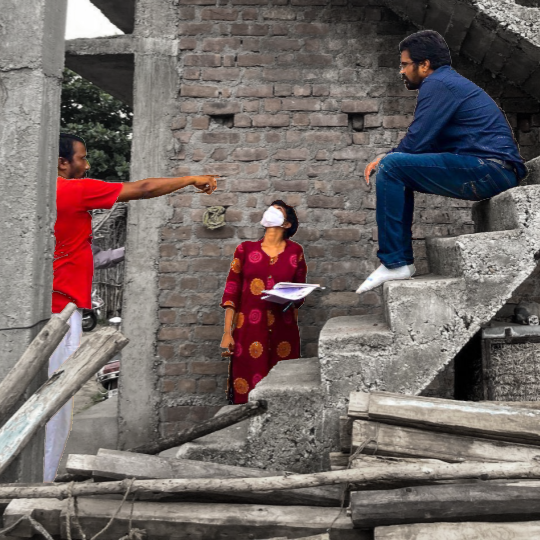
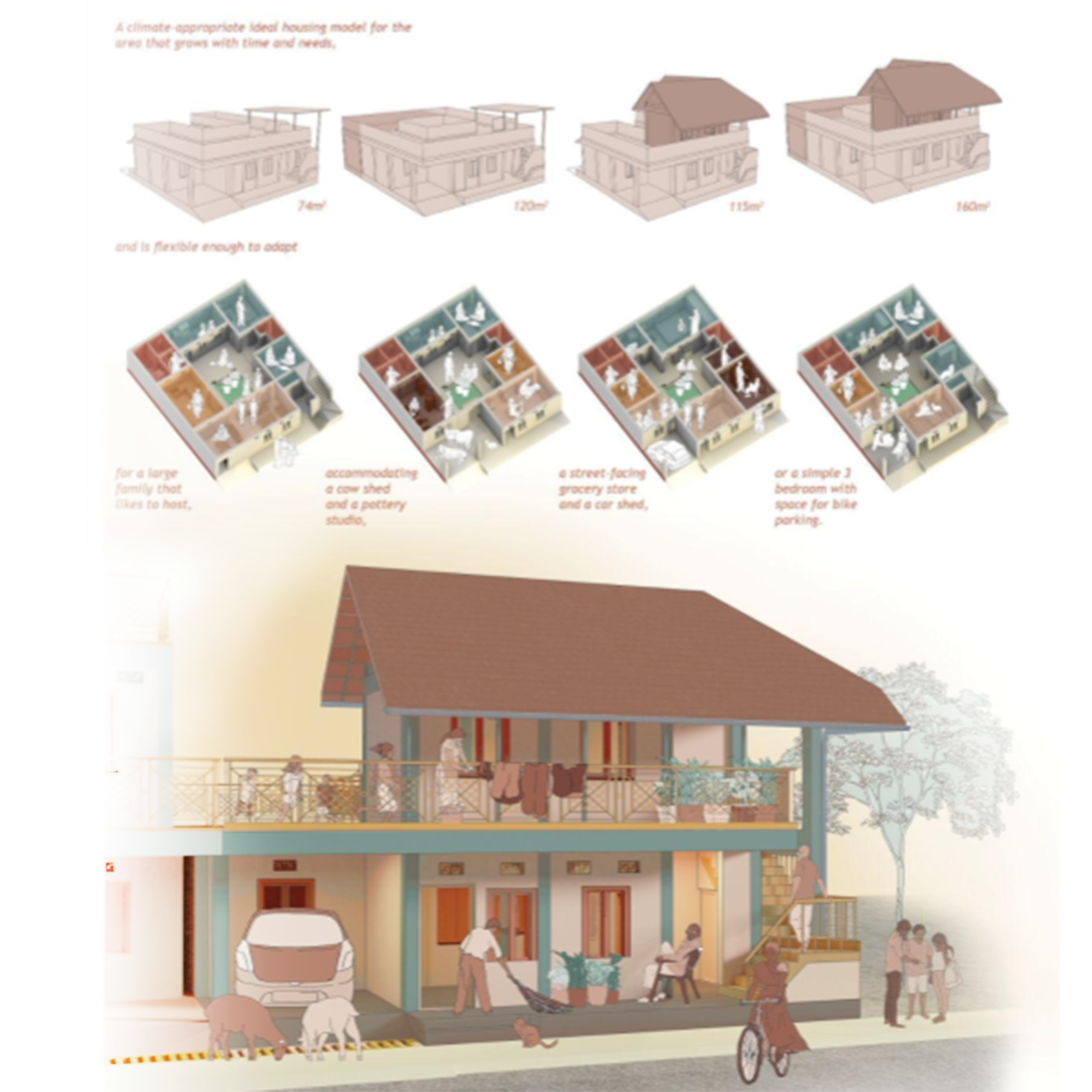
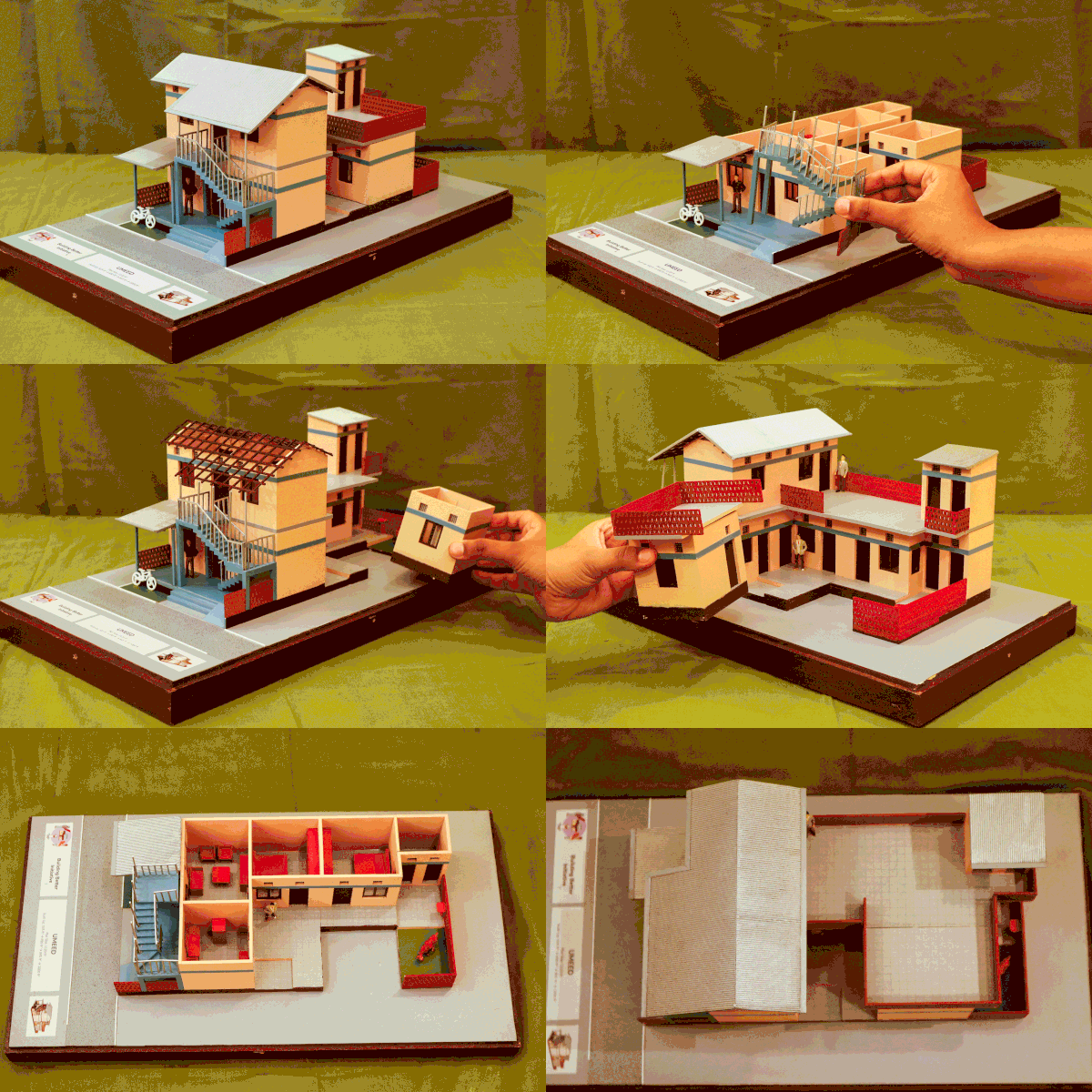
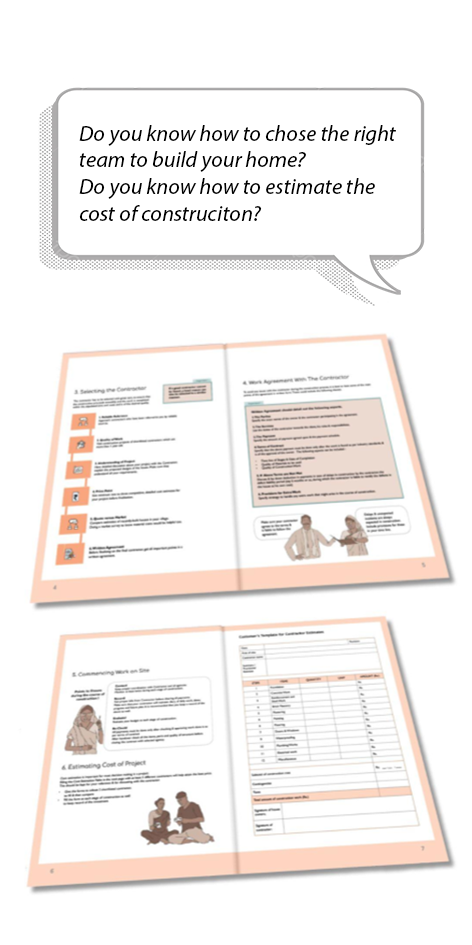
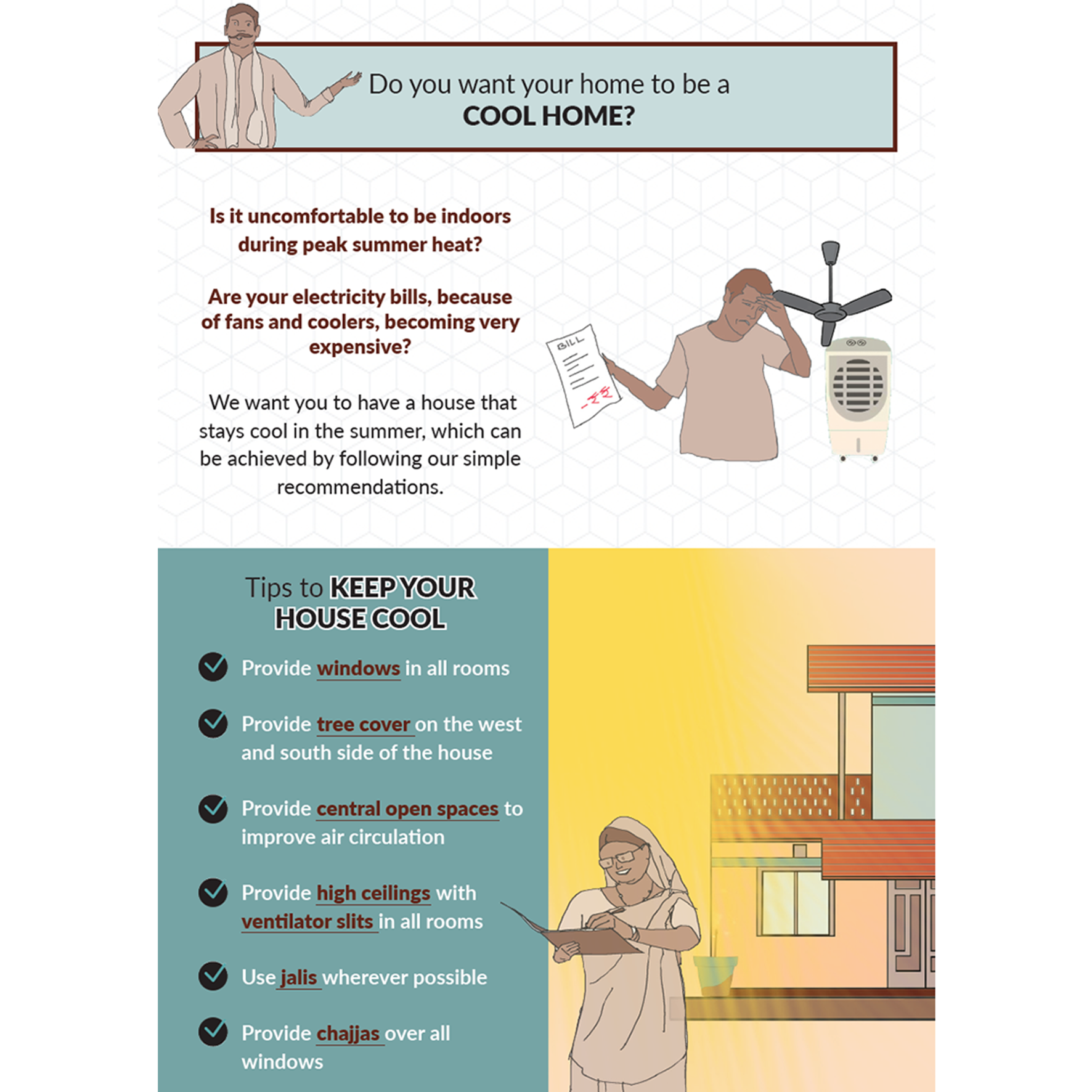
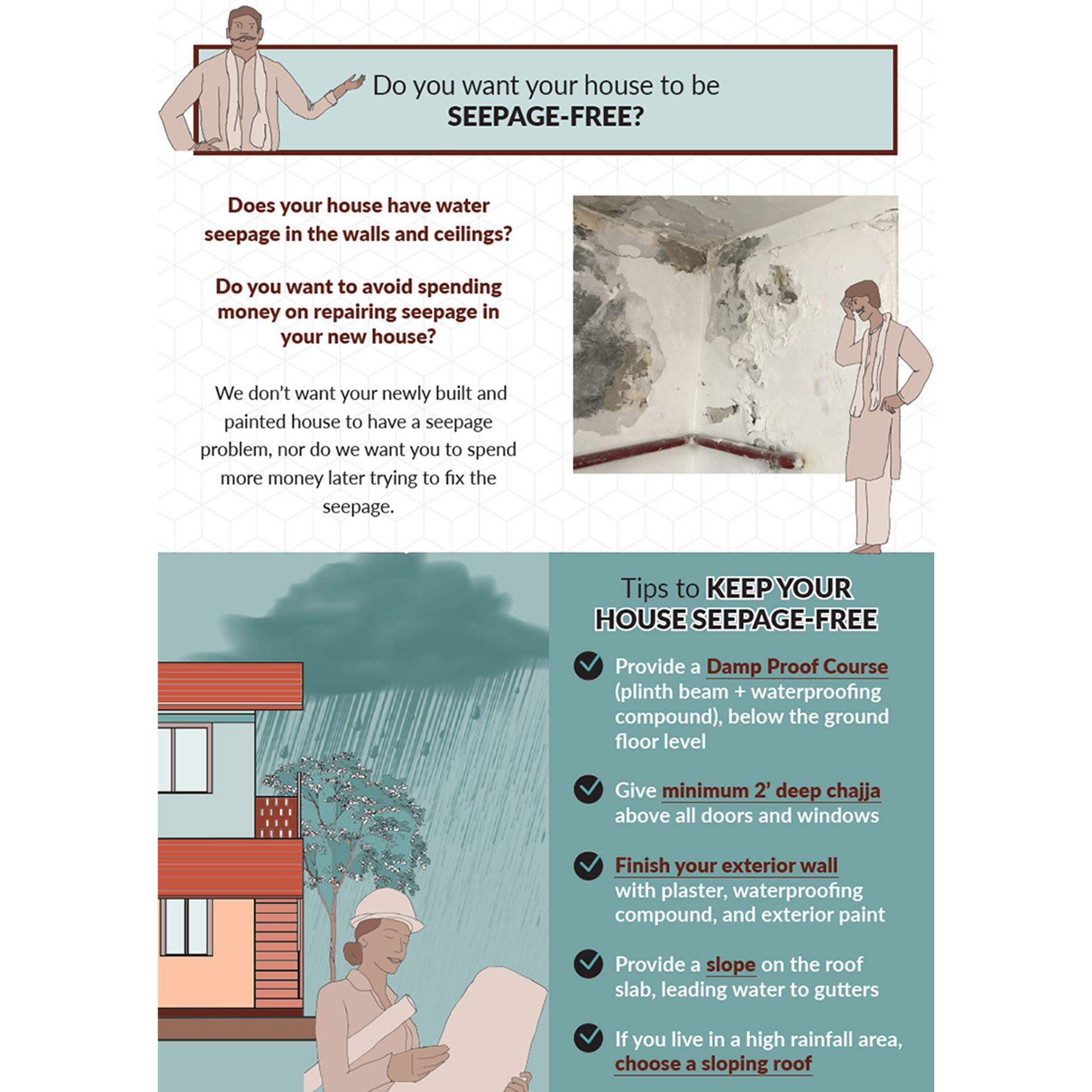
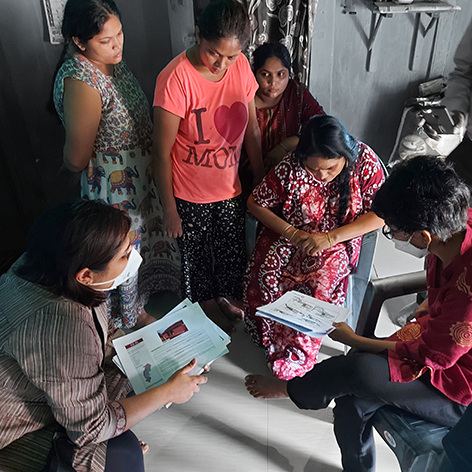
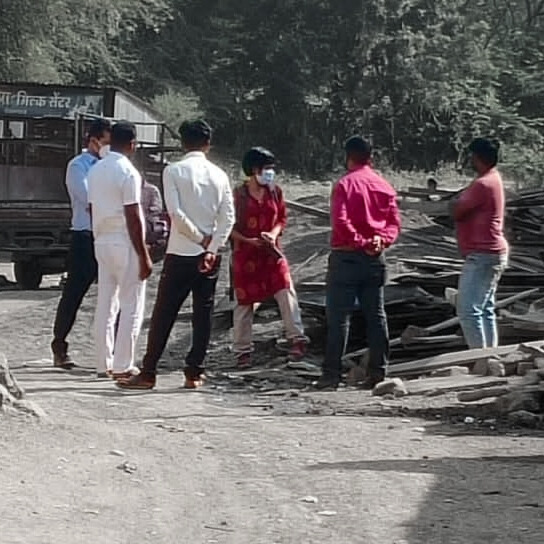
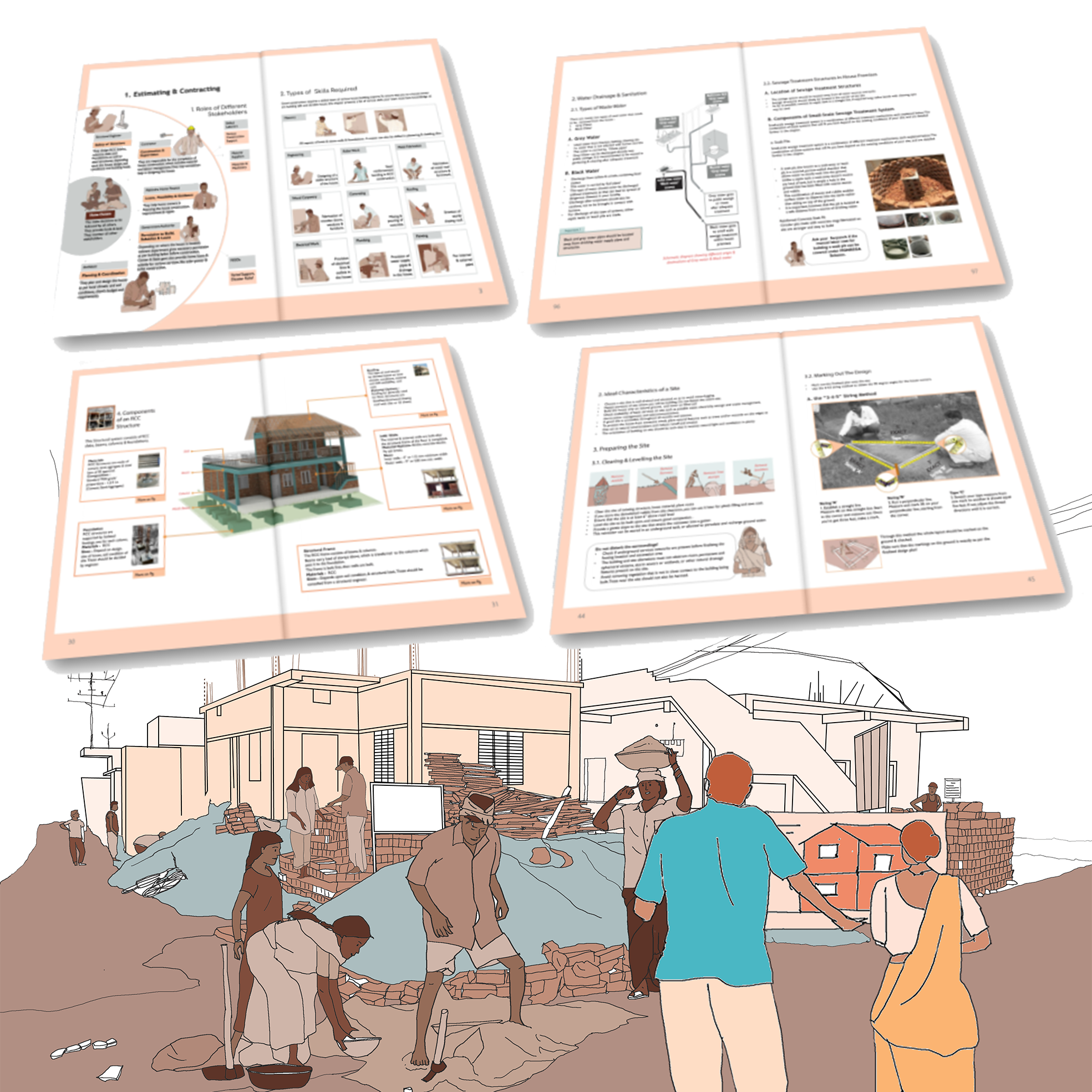
To address these challenges, we developed a multi-dimensional, modular intervention framework designed to complement MRHFL’s existing processes and team capacity. The flexible approach enabled Housing Finance Companies such as MRHFL to select interventions tailored to their specific market conditions. To ensure practical implementation in the Vidharbha region, we introduced four key solutions: Homeowner Manuals, interactive design models, customized in-person technical support for MRHFL customers, and capacity-building programs for the MRHFL ground team and local masons.
The interventions aimed to improve construction quality, enhance climate resilience, and integrate climate-appropriate and affordable building technologies in customers’ homes. It also focused on promoting spatial designs and construction methods that supported incremental constructions. This project highlighted the importance of region-specific solutions and the need to empower local communities with the tools and knowledge to build resilient, sustainable homes.